Discovering netherwitton's past
Welcome to the Netherwitton Village History Project, a personal endeavour dedicated to preserving and sharing the rich history of our village. Join us as we explore local stories, historical records, and fascinating insights into Netherwitton's past.
Our mission
The Netherwitton Village History Project aims to document and celebrate the unique heritage of our community. Through meticulous research and captivating storytelling, we seek to connect present and future generations with the vibrant history of Netherwitton.
Preserving memories, connecting generations
The Netherwitton Village History Project is dedicated to capturing the essence of our village's past, ensuring that these stories are never forgotten. We strive to create a bridge between generations, fostering a deeper understanding and appreciation of our shared heritage.

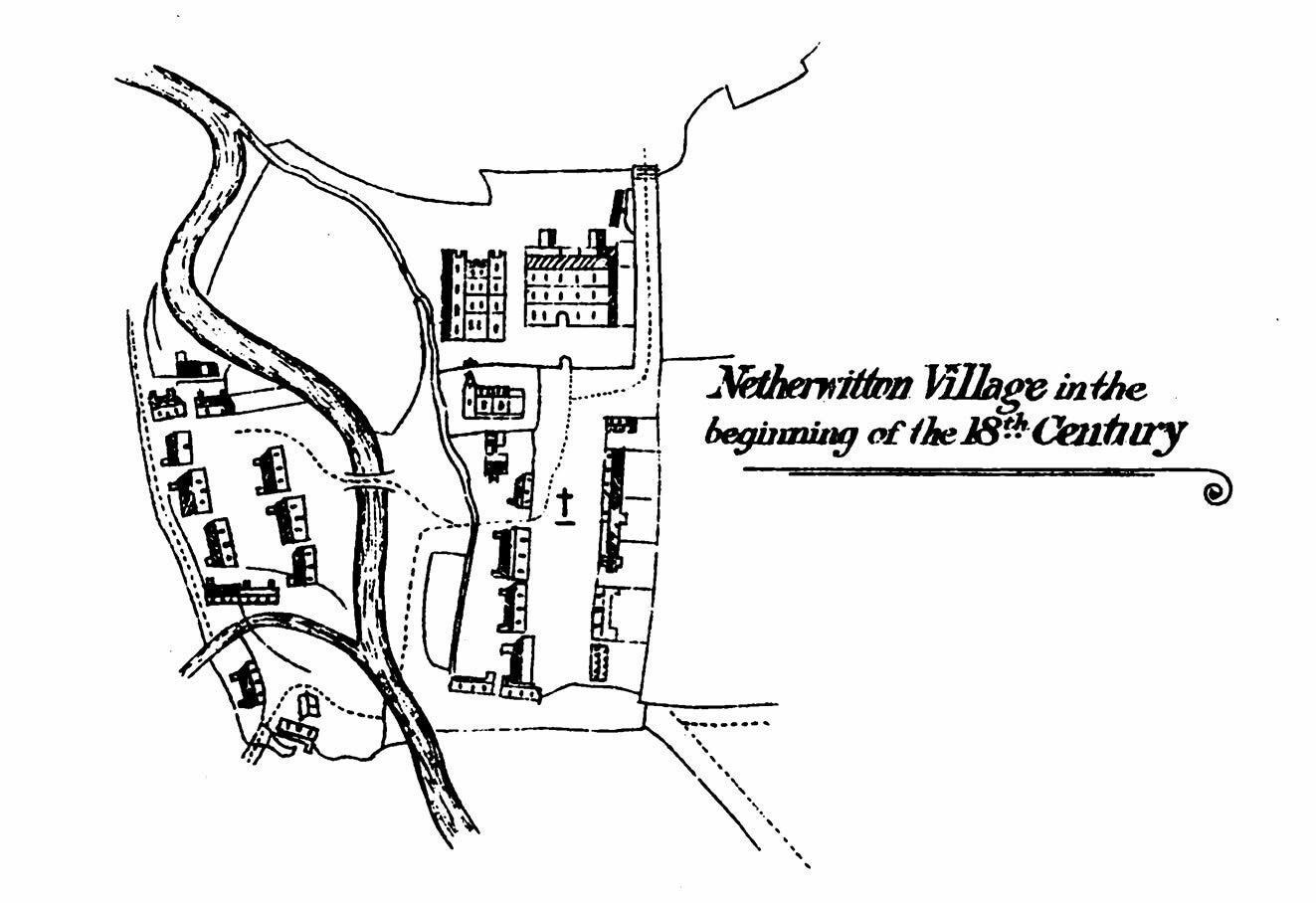
Netherwitton is a village in Northumberland, England about 8 miles (13 km) west north west of Morpeth.
An old bridge, a small church, and a number of cottages and gardens comprise the village.
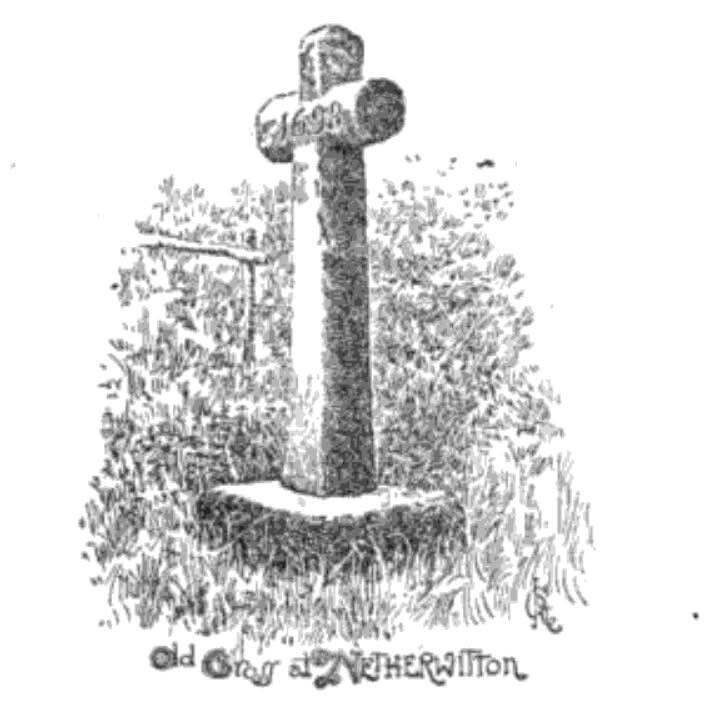
The old cross, dated 1698, still stands in a garden beyond the green. The village cross in Netherwitton is dated 1698 and seems to have been moved there when the village was moved. The original site is now parkland. The cross stands 1.6m high and was repaired in 1825. Most of the common about it has been appropriated and planted with trees.
During the Civil War, Cromwell quartered a large force in the grounds of the stately Netherwitton Hall for one night, and later awarded a sum of £95-5s-6d. as compensation for the damage done by his troops. After Culloden in 1746 Lord Lovat, a Jacobite leader, for a long while lay concealed in a "Priest's Hole" in an upper room of the Hall. Roger Thornton, a great merchant-prince of Newcastle at the beginning of the 15th century, was a native of Netherwitton and built a castle by the river, but no trace of it remains.
Devils Causeway Tower, Netherwitton, also known as, or recorded in historical documents as Highbush Wood. King writes ‘Marked on some OS maps as a tower but now considered to be the remains of a cottage.’ SMR still records as ‘site of tower’. Long records as ‘remains of an irregular shaped tower.’ This site has been described as a Pele Tower. The confidence that this site is a mediaeval fortification or palace is Questionable.
- Wikipedia
Note:
Please be patient with we are working through a lot of information and uploading as we go. there will be updates done daily.
If there is something particular your looking for please feel free to reach out as we may have the information in our files.
Thank you
The Admin Team ❤️